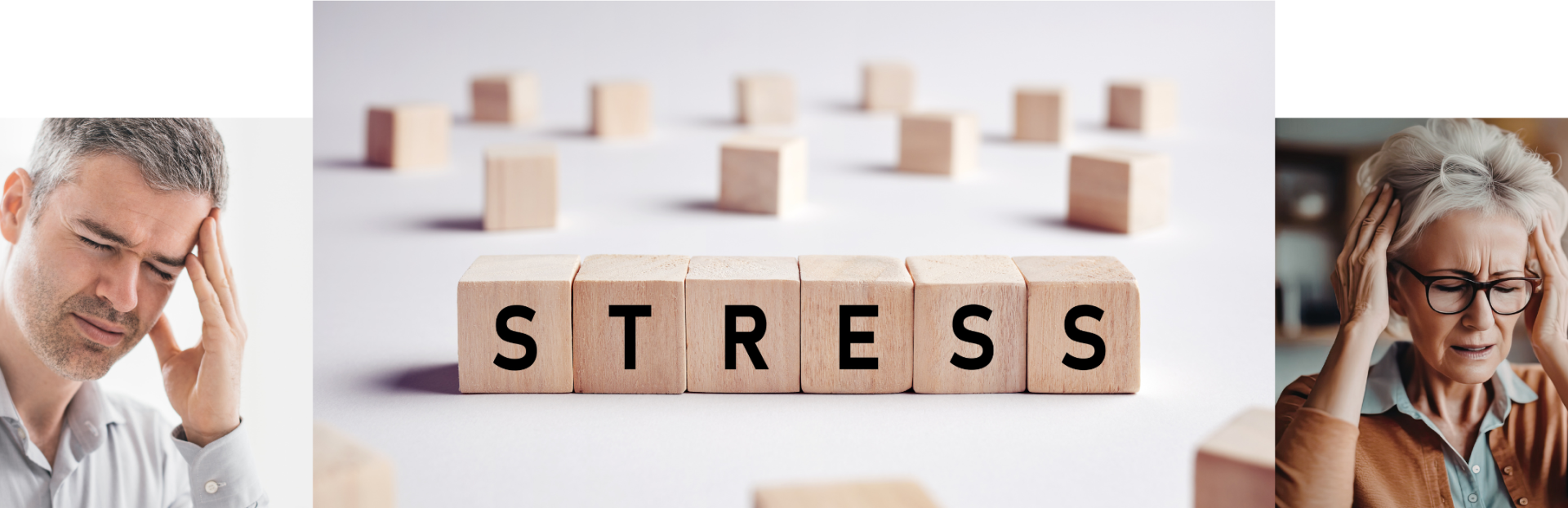
Why Stress Can Fell Heavier As We Age (And What Actually Helps)
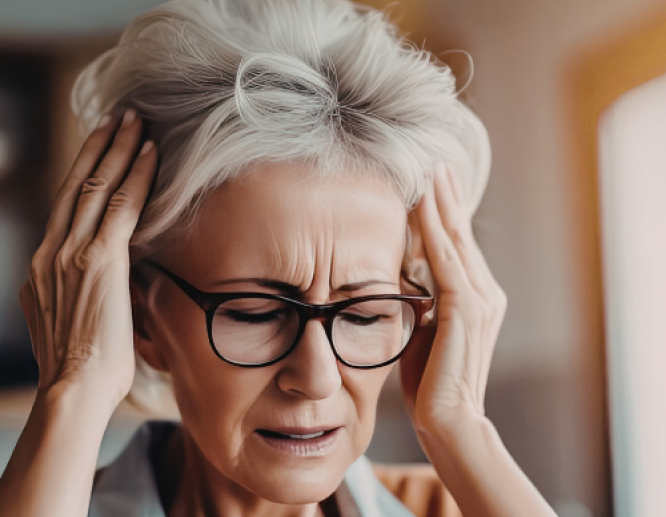
Many older adults say the same thing in different ways:
“I don’t handle things like I used to.”
“I feel overwhelmed all the time.”
“Everything feels harder now.”
These feelings are not “just part of getting older.” Stress truly does feel heavier later in life, and there are real physical, emotional, and social reasons why.
Understanding what is happening is the first step toward feeling better.
Stress Changes How the Body and Brain Work
Stress is a physical experience as much as it is an emotional one. When we are under stress, our nervous system releases hormones like cortisol and adrenaline. These chemicals help us respond to danger, but when stress becomes ongoing, they begin to wear the body down.
As we age, the body becomes slower at resetting itself after stress. That means a stressful phone call, a medical appointment, or a difficult conversation can linger longer in the system. Sleep may become disrupted. Muscles stay tense. Thoughts race. Fatigue builds.
Over time, this creates a constant state of being “on edge,” even when nothing urgent is happening.
Life Changes Add Invisible Weight
Later life often comes with changes that subtly increase emotional strain. These can include retirement, health challenges, loss of independence, grief, financial worries, and shifting family roles. Even positive changes can be stressful when they require adjustment.
Many older adults also grew up in a time when emotional struggles were not openly discussed. They learned to push through discomfort rather than talk about it. As a result, stress may go unspoken for years until it shows up as exhaustion, irritability, or sadness. When these pressures build without support, the nervous system never gets a chance to rest.
When Stress Starts to Look Like Depression
Chronic stress often looks like low energy, loss of interest, difficulty concentrating, or withdrawing from others. These are also common signs of depression.
Because of this overlap, many older adults are told they are “just tired” or “just slowing down” when they are actually experiencing emotional overload. Without support, stress can quietly turn into depression, anxiety, or a sense of hopelessness. This isn’t something people should have to manage alone.
What Actually Helps
One of the most effective ways to reduce stress in later life is through consistent emotional connection and support. Group therapy offers both.
In a supportive group setting, people have the opportunity to talk, listen, and realize they are not alone in what they are experiencing. Sharing worries, frustrations, and hopes in a safe space helps regulate the nervous system. It reduces isolation and restores perspective.
Over time, this kind of connection helps the brain and body move out of constant alert mode and back into balance.
It's Not Too Late to Feel Better
Feeling overwhelmed does not mean something is wrong with you. It means your system has been carrying too much for too long. With the right support, stress can ease. Energy can return. And life can feel more manageable again.
You don’t have to handle it all by yourself.
Our hospital-based outpatient program is designed to meet the unique needs of older adults experiencing depression and/or anxiety related to life changes that are often associated with aging or a chronic diagnosis. Anyone can make a referral to our program, including self-referrals, provider referrals, or community consultations.
Call us today at 308832-3400, Option 4