
Mammography at KCHS
Take a moment to watch this video and hear directly from our experts about the importance of mammograms and how 3D technology is making them clearer and more comfortable.
Mammograms are one of the most important tools for early detection of breast cancer. In this video, Kearney County Health Services providers and mammography technologists explain when to begin screening, what signs and symptoms to watch for, what to expect during your appointment, and how new 3D mammography technology provides clearer, more accurate results.
Whether it’s your first mammogram or part of your yearly routine, this video will help you feel informed, comfortable, and confident in taking care of your breast health.
3D Mammography at KCHS
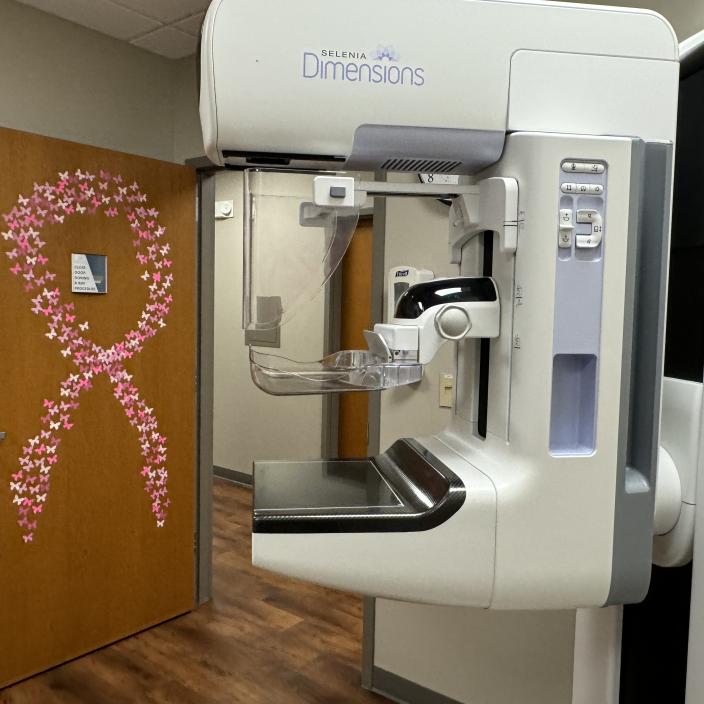
KCHS offers 3D mammography along with breast ultrasounds, giving you the most accurate and comfortable screening and diagnostic options.
This means better accuracy, fewer callbacks and greater peace of mind for you. If you're due for your screening, now is the perfect time to schedule your mammogram and take a step toward protecting your health.
Scheduling Your Appointment
To schedule your mammogram at KCHS, you'll need an order from your healthcare provider. We accept orders from any provider-even if they are not part of KCHS. Once you have your order, give us a call at 308-832-3400 to set up your appointment.

Who Should Be Screened
- Women age 40 and older should schedule annual mammograms.
- Those with a family history of breast cancer may need to begin screenings earlier.
- Women with dense breast tissue
- Women with certain gene changes, such as BRCA1 or BRCA2
- Women with history of breast cancer or some other breast conditions
- Women who have had radiation treatment to the chest area
- Lifestyle risk factors such as obesity, lack of exercise or alcohol use
- Your provider can help determine the right time to start and how often to schedule screenings.
Mammogram Frequently Asked Questions
Q: What’s the difference between 2D and 3D mammography?
At KCHS, we use advanced 3D mammography, which takes multiple images of the breast from different angles. This provides a clearer picture, especially for women with dense breast tissue.
Q: At what age should I start getting a mammogram?
Guidelines vary, but many experts recommend starting annual or biennial screening at age 40. If you have a higher risk due to family history or other factors, your provider may suggest starting earlier.
Q: How do I schedule a mammogram?
You’ll need an order from your provider. We accept orders from any provider, and once you have one, you can call us to schedule your screening.
Q: Does a mammogram hurt?
You may feel some pressure when the breast is compressed, but the discomfort is usually brief and tolerable. Most patients say it’s easier than they expected.
Q: How long does a mammogram take?
The actual imaging takes only about 10–15 minutes. Your whole appointment is usually less than 30 minutes.
Q: How do I get my results?
Your provider will receive the report and share the results with you. If anything unusual is found, you may be referred for additional imaging or follow-up.
Q: Does insurance cover mammograms?
In most cases, yes. Preventive screening mammograms are often covered, but it’s a good idea to check with your insurance provider for details.
Q: What should I wear to my mammogram?
It’s best to wear a two-piece outfit so you only need to remove your top. Avoid deodorant, lotions, or powders under your arms or on your breasts the day of your exam, since these can interfere with the images.
Q: What happens during the exam?
Your breast will be placed on a platform and gently compressed to get clear images. The technologist will take pictures from a few different angles, and you’ll be able to go home right after.
Q: Why do I need compression?
Compression helps spread out the breast tissue so the X-ray can capture the clearest image possible, using the lowest dose of radiation.
Q: What if I have dense breast tissue?
Dense tissue can make it harder to see abnormalities on a mammogram. That’s why 3D mammography is especially helpful, and in some cases, your provider may also recommend a breast ultrasound.
Q: How often should I get a mammogram?
Most women should get a mammogram every 1–2 years starting at age 40, but your provider will recommend the best schedule for you based on your personal and family history.
Q: Can men get breast cancer?
Yes, although it’s less common. Men with symptoms such as a lump in the breast area should talk to their provider about imaging.
Q: What if something abnormal is found?
If your mammogram shows something unusual, you may be asked to return for additional images or an ultrasound for a closer look.