
PTSD Awareness in Older Adults
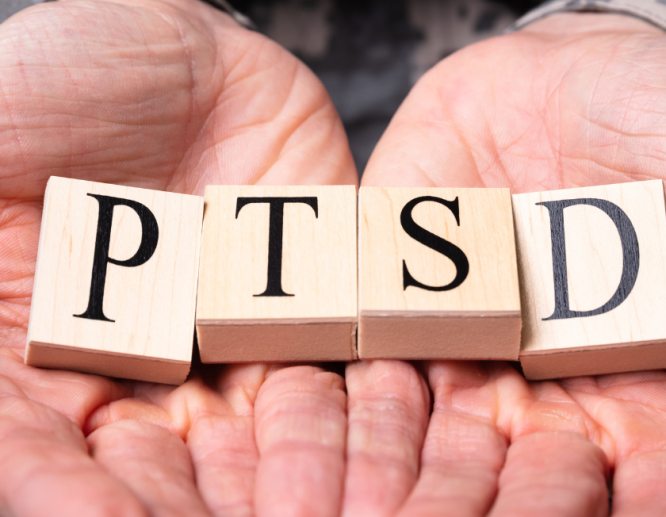
When people think of Post-Traumatic Stress Disorder (PTSD), they often associate it with combat veterans. While PTSD is indeed common among those who have served in the military, it’s important to recognize that PTSD can affect anyone who has experienced or witnessed a traumatic event. For older adults, PTSD may emerge from various life experiences, including ones that occurred decades ago, and understanding the condition is essential for supporting their mental health.
WHAT IS PTSD?
PTSD is a mental health condition that can develop after exposure to a traumatic event. These events might involve actual or perceived threats to life, serious injury, or severe emotional distress. While many people experience temporary emotional distress following trauma, PTSD occurs when symptoms persist for months or years, significantly impacting daily life.
Common Causes of PTSD in Older Adults
For older adults, PTSD may stem from a variety of experiences, such as:
Accidents or Injuries: Car accidents, falls, or medical emergencies.
Natural Disasters: Surviving events like hurricanes, floods, tornadoes, or earthquakes.
Loss or Grief: Witnessing or experiencing traumatic loss, such as the sudden death of a loved one.
War or Combat: Even non-combat veterans or civilians who lived through wartime may experience PTSD.
Childhood Trauma: Incidents from early life may resurface as unresolved PTSD symptoms in older age.
Caregiving Stress: Providing long-term care for a seriously ill loved one can sometimes result in trauma.
Abuse or Neglect: Physical, emotional, or sexual abuse earlier in life.
Recognizing PTSD in Older Adults PTSD symptoms can vary and be misinterpreted as other age-related issues, such as dementia or depression. Key symptoms to look out for include:
- Re-Experiencing the Trauma
Flashbacks or vivid memories of the event.
Nightmares or distressing dreams related to the trauma.
Intense emotional or physical reactions to reminders of the event (e.g., heart racing, sweating, or crying). - Avoidance
Steering clear of places, people, or situations that may trigger memories of the event.
Emotional numbness or disinterest in activities they once enjoyed. - Negative Changes in Thinking or Mood
Persistent feelings of guilt, shame, or blame.
Difficulty remembering parts of the traumatic event.
Social withdrawal or estrangement from loved ones. - Heightened Arousal and Reactivity
Irritability, angry outbursts, or aggression.
Hypervigilance or being easily startled.
Trouble concentrating or sleeping.
Why PTSD Awareness is Important for Older Adults
For many older adults, PTSD symptoms may remain untreated because they feel they should “move on” or because they don’t connect their current struggles to past trauma. Additionally, PTSD symptoms can intensify with age, particularly when life changes—like retirement or health challenges—bring more time for reflection. Left untreated, PTSD can lead to depression, anxiety, substance abuse, or even physical health problems like heart disease. Raising awareness ensures older adults receive the care they need to lead fulfilling, healthy lives.
Understanding the symptoms of PTSD is the first step in providing support. Be patient and compassionate when discussing their feelings or behaviors. Create a safe and stable environment that reduces triggers and encourages open communication. Therapists trained in trauma can help older adults process their experiences. Intensive outpatient group therapy programs are designed to address the unique mental health needs of older adults, offering therapy and support tailored to their experiences.
PTSD doesn’t have to define an older adult’s life. With the right support and resources, healing is within reach. If you or someone you love is struggling with symptoms of PTSD, don’t wait. Help is available.
WE CAN HELP Our hospital-based outpatient program is designed to meet the unique needs of older adults experiencing depression and/or anxiety related to life changes that are often associated with aging or a chronic diagnosis. Anyone can make a referral to our program, including self-referrals, provider referrals, or community consultations.
Call us today at 308-832-3400, Option 4