Sepsis Awareness Month: Know the Signs, Save a Life
Sepsis Awareness Month: Know the Signs, Save a Life
Every September, Sepsis Awareness Month shines a light on a serious medical condition that can affect anyone. Sepsis is the body’s overwhelming and life-threatening response to an infection, which can quickly lead to tissue damage, organ failure, and even death if not recognized and treated early.
The good news? With awareness and quick action, lives can be saved.
What is Sepsis?
Sepsis occurs when the body’s immune system responds to an infection in a way that causes widespread inflammation. It can begin with something as common as pneumonia, a urinary tract infection, or even a small cut that becomes infected.
Who is at Risk?
While anyone can develop sepsis, certain groups are more vulnerable:
- Adults over age 65
- Infants and young children
- People with chronic medical conditions (such as diabetes, cancer, kidney disease, or weakened immune systems)
- Those with recent severe illness or hospitalization
Signs and Symptoms of Sepsis
Sepsis can look different in adults and children, but early recognition is critical.
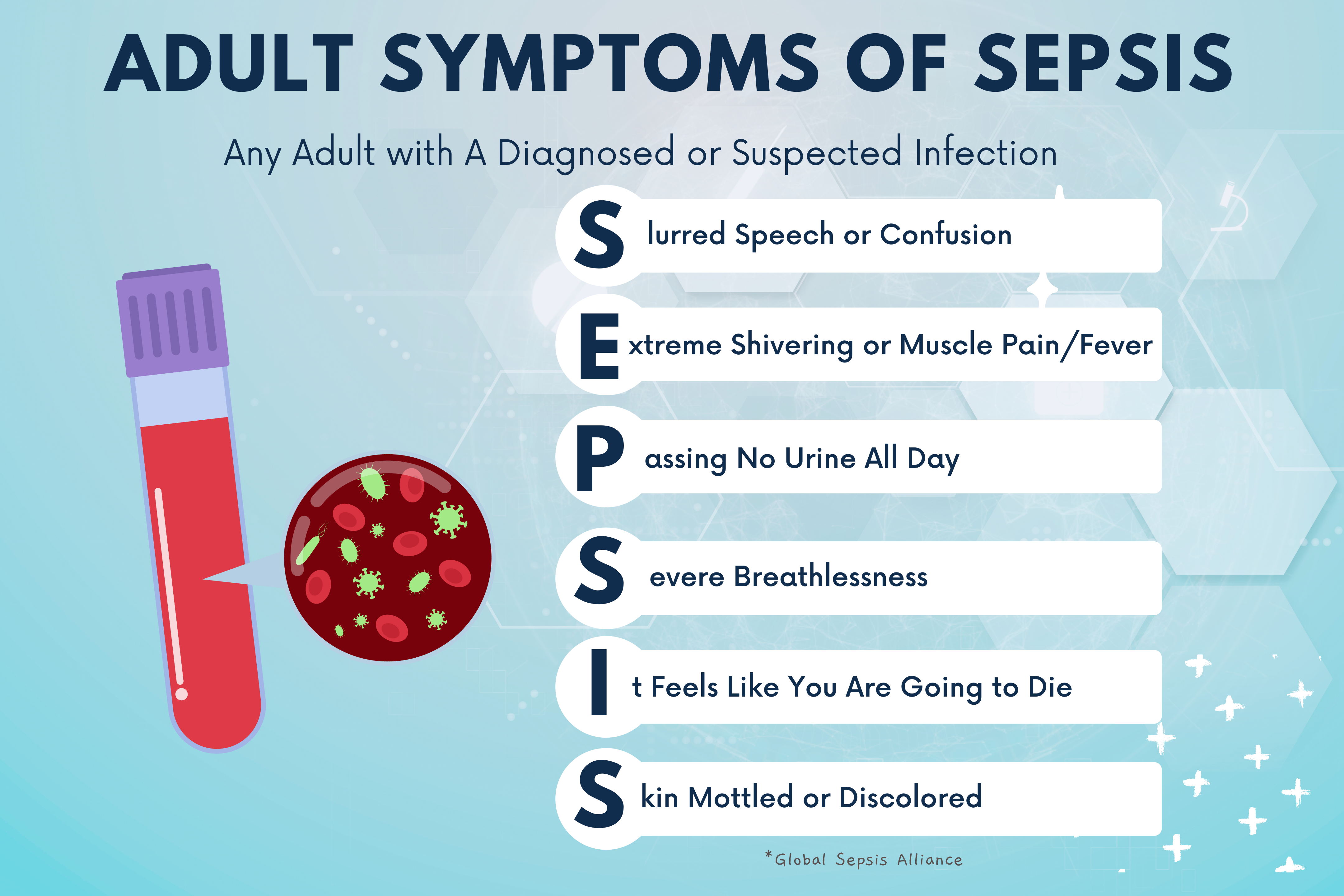
In adults, watch for:
- Fever, chills, or feeling very cold
- Confusion or disorientation
- Shortness of breath
- Rapid heart rate or low blood pressure
- Extreme pain or discomfort
- Clammy or sweaty skin
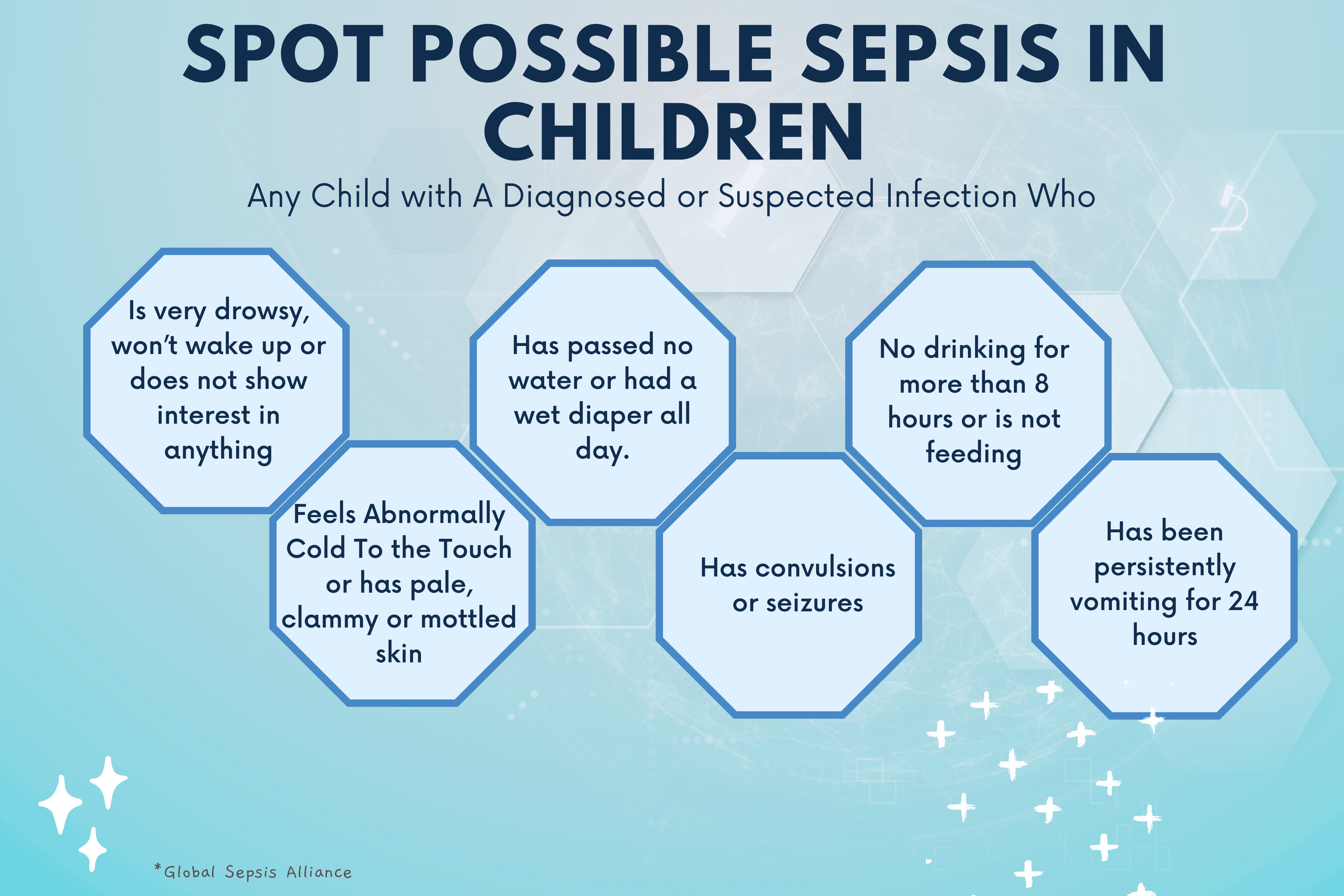
In children, possible signs include:
- Fast breathing or difficulty breathing
- Bluish or pale skin, lips, or tongue
- Sleepiness, confusion, or difficult to wake
- Not feeding well (infants)
- A new rash or mottled skin
What to Do if You Suspect Sepsis
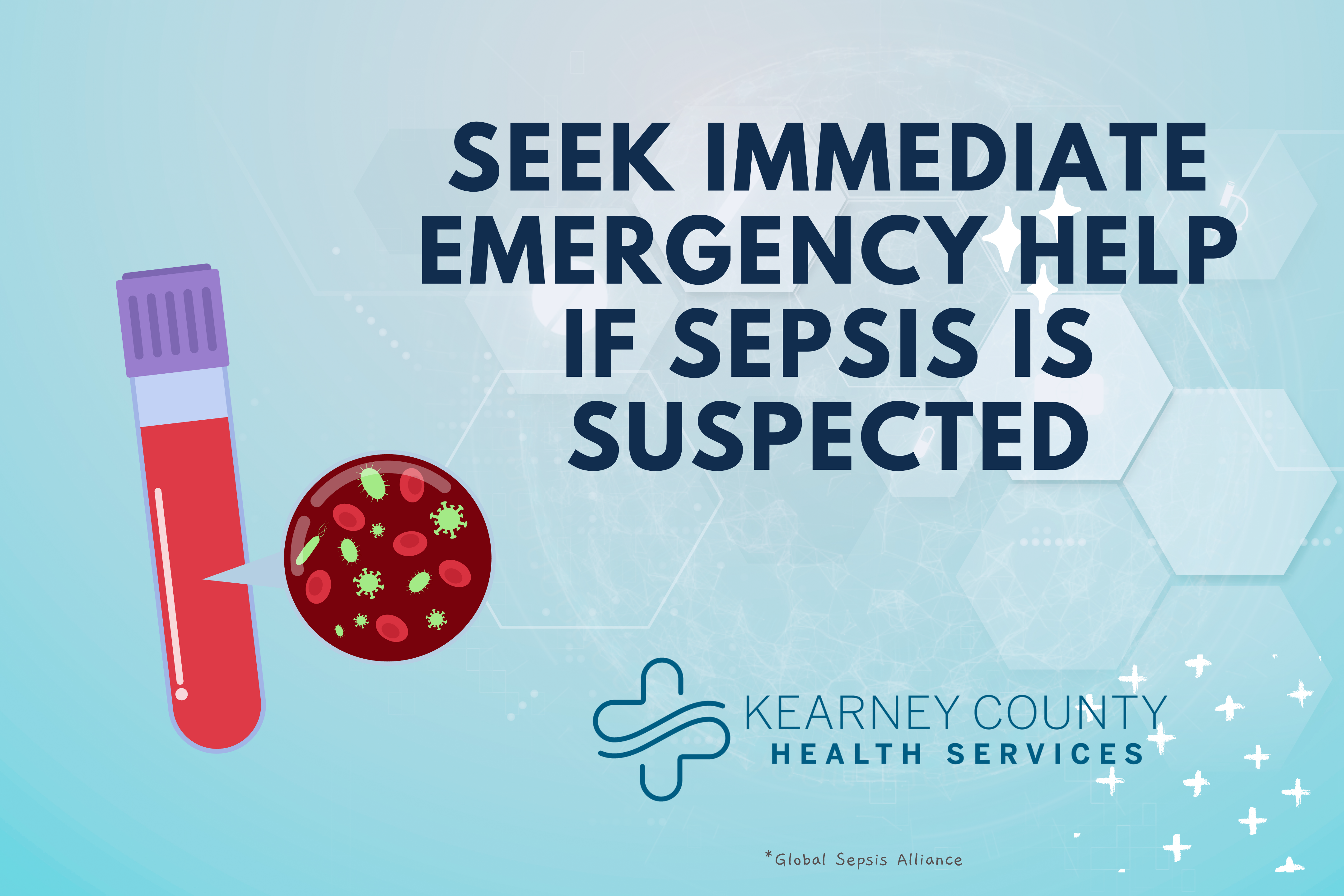
If you or someone you care for shows signs of sepsis, it’s important to act quickly:
- Seek medical care immediately, call 911 or go to the nearest emergency department.
- Tell the healthcare team, “I am concerned about sepsis.”
Early treatment with antibiotics and fluids saves lives.
How You Can Help Spread Awareness
- Learn the signs of sepsis and share them with family and friends.
- Take steps to prevent infection: wash hands often, keep up with vaccinations, and care properly for wounds.
- If you are managing a chronic condition, work closely with your healthcare provider to reduce your risk.
At KCHS, our healthcare team is trained to recognize and respond to sepsis quickly. This Sepsis Awareness Month, join us in raising awareness—because knowing the signs of sepsis can save a life.